

Slugging has exploded across TikTok and Instagram as the ultimate hydration hack, promising plump, dewy skin overnight. The technique involves applying a thick occlusive layer as the final step in your nighttime routine to seal in moisture and wake up with intensely hydrated skin. While the results can be dramatic for the right skin types, slugging carries significant risks that social media often glosses over. Heavy occlusive products can trap bacteria, clog pores, and trigger breakouts in many people. Before you jump on this viral trend, you need to understand exactly who should use slugging, who should avoid it entirely, and how to do it safely if your skin can tolerate it. This guide will give you the complete picture, including the warnings that viral videos leave out.
What Exactly Is Slugging?
Slugging is a Korean beauty technique where you apply a thick, occlusive product over your completed skincare routine to create a moisture barrier. The name comes from the shiny, slug-like appearance your face takes on after application. The science behind slugging centers on preventing transepidermal water loss, which is the natural process of water evaporating from your skin throughout the day and night. When you apply an occlusive layer, you create a physical barrier that traps moisture in your skin and prevents this evaporation. This allows your skin to maintain optimal hydration levels overnight and gives your skin barrier time to repair itself without losing precious moisture.
The traditional slugging method uses petroleum jelly as the occlusive, but modern K-beauty has evolved the technique to include specially formulated sleeping masks and rich creams that provide occlusive benefits alongside active ingredients. These products create that same moisture-sealing effect while delivering additional skin benefits. The appeal of slugging lies in its simplicity and immediate results. People wake up with visibly plumper, dewier, more hydrated skin after just one night. However, this dramatic effect comes with risks that make slugging unsuitable for many skin types. The same occlusive barrier that locks in moisture can also trap oil, bacteria, and debris, leading to congestion and breakouts.
WHO SHOULD NOT SLUG: Critical Warnings
Before we discuss how to slug, you need to know if you should slug at all. Many people should avoid this technique entirely, regardless of how appealing the results look on social media. If you have acne-prone skin, slugging poses significant breakout risks. The heavy occlusive layer can trap acne-causing bacteria, sebum, and dead skin cells against your skin, creating the perfect environment for breakouts. Even if you thoroughly cleanse before slugging, the occlusive barrier prevents your skin from breathing and can worsen existing acne or trigger new breakouts. People with active acne, whether hormonal, cystic, or comedonal, should skip slugging entirely and focus on treatments that address their acne rather than potentially exacerbating it.
If you have oily or combination skin, slugging is generally not recommended. Your skin already produces substantial sebum, and adding a heavy occlusive layer on top can lead to excessive oiliness, clogged pores, and breakouts. The occlusive prevents your natural oils from evaporating, which can result in that greasy, congested feeling by morning. While some people with combination skin can slug only on dry areas, this requires careful application and is not worth the risk for most people. Those with fungal acne or malassezia folliculitis must avoid slugging completely. Fungal acne thrives in warm, moist, occlusive environments. Slugging creates exactly these conditions, potentially causing a severe flare-up of fungal acne that can take weeks or months to resolve.
People with rosacea should approach slugging with extreme caution or avoid it entirely. The occlusive layer can trap heat against your skin, potentially triggering rosacea flares. If you have rosacea and want to try slugging, consult your dermatologist first and start with the lightest possible occlusive products. Those with perioral dermatitis should never slug, as occlusive products are known triggers for this condition. If you have large, visible pores or are prone to blackheads and congestion, slugging will likely worsen these concerns by trapping debris in your pores. The technique works against your goal of keeping pores clear and minimized.
If you sleep on your stomach or side, slugging becomes messier and less effective, as the product transfers to your pillow and does not stay on your face where it needs to work. Beyond these specific contraindications, anyone experiencing active skin infections, open wounds, or inflammatory skin conditions should avoid slugging until their skin has healed. The occlusive environment can interfere with healing and potentially worsen infections. If you are using prescription retinoids or other potent actives, consult your dermatologist before slugging, as the occlusive layer can increase penetration and potentially cause irritation.
Who CAN Benefit From Slugging
Now that we have established who should avoid slugging, let us discuss who can actually benefit from this technique. Slugging works beautifully for people with dry to very dry skin who struggle to maintain adequate hydration. If your skin feels tight, flaky, or uncomfortable despite using moisturizer, slugging can provide the intensive moisture barrier support you need. The occlusive layer prevents the moisture loss that dry skin types experience, allowing your skin to stay hydrated throughout the night. Those with dehydrated skin, which lacks water rather than oil, often see dramatic improvements from slugging. The technique helps your skin retain the water from your hydrating products rather than losing it to evaporation.
People with compromised skin barriers benefit significantly from slugging. If you have over-exfoliated, damaged your barrier with harsh products, or are experiencing sensitivity and irritation, slugging can accelerate barrier repair. The occlusive protection allows your skin to focus on healing without the constant challenge of moisture loss. Those living in dry climates or dealing with winter dryness find slugging particularly helpful. When environmental humidity is low, your skin loses moisture more rapidly. Slugging counteracts this by creating an artificial moisture barrier that compensates for the dry air.
Mature skin often responds well to slugging because aging skin produces less natural oil and has a weaker moisture barrier. The intensive hydration from slugging can temporarily plump fine lines and give mature skin a more youthful, dewy appearance. People using active ingredients like retinoids, AHAs, or BHAs can use slugging strategically on recovery nights to support their skin barrier. However, never slug on the same night you use actives, as the occlusive can drive ingredients deeper and cause irritation. If you have normal skin without acne concerns and want to boost hydration occasionally, you can slug once or twice weekly as an intensive treatment without daily commitment.
Products for Safe Slugging
If you have determined that your skin type can safely try slugging, choosing the right product is crucial. Modern K-beauty sleeping masks offer a more sophisticated approach than traditional petroleum jelly, providing occlusive benefits alongside active ingredients that support skin health. These products are specifically formulated for overnight use and absorb better than pure petroleum jelly while still creating that essential moisture barrier.

Laneige Water Sleeping Mask EX (70ml) - £23.00
The Laneige Water Sleeping Mask EX is perhaps the most famous K-beauty slugging product and for good reason. This cult-favorite mask uses a gel-cream texture that feels lighter than traditional occlusive products while still providing excellent moisture-sealing benefits. The formula contains Laneige's proprietary Hydro Ionized Mineral Water, which optimizes skin's moisture balance, along with evening primrose root extract and hunza apricot extract for additional skin benefits. What makes this particularly suitable for slugging is how it creates an effective moisture barrier without feeling suffocatingly heavy. The gel-cream texture absorbs partially into skin while leaving a protective layer on the surface. Apply a generous layer as the final step in your routine and wake up to noticeably plumper, more hydrated skin. This product works well even for those with normal to combination skin who want to try slugging occasionally.

Laneige Cica Sleeping Mask (60ml) - £24.00
For those with sensitive or compromised skin barriers who want to try slugging, the Laneige Cica Sleeping Mask offers the perfect combination of occlusive protection and barrier repair. This mask features a high concentration of centella asiatica extract, which soothes irritation and supports barrier healing while you sleep. The formula creates a protective moisture barrier similar to the Water Sleeping Mask but with added focus on calming and repairing damaged skin. This makes it ideal for people who have over-exfoliated or are recovering from harsh treatments. The texture is slightly richer than the Water Sleeping Mask, providing more intensive occlusion for very dry or damaged skin. Apply it generously on clean skin as your final nighttime step, focusing on areas that feel particularly dry or irritated. This product is particularly valuable during winter months or after using strong active ingredients.

Cosrx Advanced Snail 92 All In One Cream (100ml) - £20.00
The Cosrx Advanced Snail 92 All In One Cream provides a different approach to slugging with its rich, nourishing texture and high concentration of snail secretion filtrate. This cream contains ninety-two percent snail mucin, which is naturally occlusive while also providing healing and hydrating benefits. Snail mucin is rich in glycoproteins, hyaluronic acid, and glycolic acid, making it both protective and reparative. The cream texture is substantial enough to create a moisture barrier without being as heavy as pure petroleum jelly. This makes it a good middle-ground option for those who want slugging benefits but find traditional sleeping masks too light. Apply a generous layer as your final step, allowing it to sit on skin rather than rubbing it in completely. The affordable price and large size make this an accessible option for regular slugging. However, those with very oily or acne-prone skin should still avoid this despite its benefits.

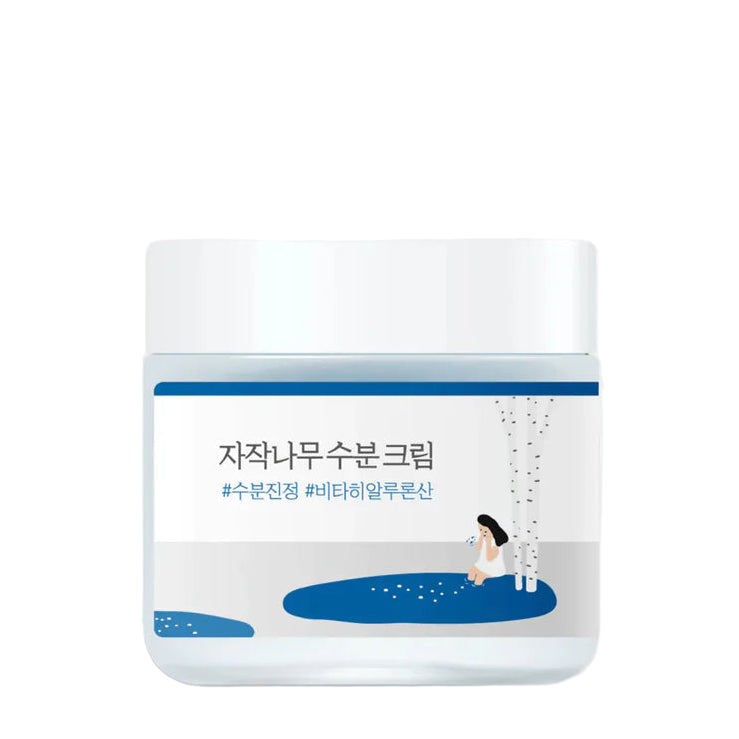
Round Lab Birch Juice Moisturising Cream (80ml) - £22.00
The Round Lab Birch Juice Moisturising Cream offers a lighter alternative for those who want to try modified slugging without heavy occlusion. This gel-cream contains birch sap from Korea, which is rich in minerals, amino acids, and antioxidants that support barrier function. While not as intensely occlusive as traditional slugging products, it provides enough barrier protection for people with normal to dry skin who want gentle overnight moisture sealing. The bouncy gel-cream texture absorbs more completely than heavier options, making it suitable for those concerned about product transfer to pillows. Apply a slightly thicker layer than you would for normal moisturizing to achieve the slugging effect. This product works well for slugging beginners who want to test the technique without committing to heavy occlusion. It is also appropriate for those with combination skin who want to slug only on dry areas.

Innisfree Green Tea Seed Hyaluronic Cream - £17.00
The Innisfree Green Tea Seed Hyaluronic Cream provides a natural approach to slugging with its nourishing formula featuring Jeju green tea extract. This cream has a rich, emollient texture that creates a protective moisture barrier while delivering antioxidant benefits from green tea. The formula is particularly suitable for those who prefer natural ingredients and want a more affordable slugging option. While not as intensely occlusive as dedicated sleeping masks, it provides sufficient barrier protection for mild to moderate dryness. The green tea extract offers additional benefits including antioxidant protection and soothing properties. Apply generously as your final nighttime step, using more product than you would for regular moisturizing. This cream works well for those new to slugging who want to start with a gentler, more natural option before potentially moving to more intensive products.
How to Slug Safely
If you have determined that slugging is appropriate for your skin type, following the correct method is essential for safety and effectiveness. Start with thoroughly cleansed skin. This step is absolutely critical because slugging will seal whatever is on your skin, including dirt, oil, and bacteria. Use your regular cleanser and ensure your skin is completely clean before proceeding. If you wear makeup or sunscreen, double cleanse to ensure complete removal. Any residue left on your skin will be trapped under the occlusive layer and can cause breakouts or irritation.
Complete your full skincare routine before slugging. Apply your toner, essences, serums, and regular moisturizer as usual. Allow each layer to absorb fully before applying the next. The slugging product should be the absolute final step, applied after everything else has had time to sink in. Wait at least five to ten minutes after your moisturizer before applying your slugging product to ensure proper absorption. When you apply your slugging product, use a generous amount. You want to create a visible layer on your skin rather than rubbing it in completely. Gently pat or press the product onto your skin rather than massaging it in. Focus on areas that tend to be driest, such as cheeks, around the nose, and the forehead.
Avoid applying slugging products too close to your eyes unless using a product specifically formulated for the eye area. The occlusive layer can migrate into eyes during sleep and cause irritation or blurred vision. Similarly, avoid applying product too close to your hairline to prevent product transfer to your hair and pillow. If you are concerned about product transfer, consider using an old pillowcase or placing a towel over your pillow on slugging nights. The product will transfer somewhat regardless of what you use, so be prepared for this.
Start by slugging only once or twice per week rather than every night. This allows you to assess how your skin responds without overwhelming it. Even if your skin type is suitable for slugging, jumping straight to nightly slugging can be too much. Monitor your skin carefully for any signs of congestion, increased oiliness, or developing breakouts. If you notice any of these signs, reduce frequency or stop slugging entirely. In the morning, cleanse your face thoroughly to remove the occlusive layer and any buildup. You may need to double cleanse or use a slightly more thorough cleansing method than usual to ensure complete removal.
When to Slug and When to Skip
Strategic timing makes slugging more effective and safer. Never slug on the same night you use active ingredients like retinoids, AHAs, BHAs, or vitamin C. The occlusive layer can drive these actives deeper into your skin, potentially causing irritation, redness, or chemical burns. If you follow a skin cycling routine, reserve slugging for your recovery nights when you are not using any actives. This allows you to maximize hydration and barrier support without risking over-penetration of active ingredients. Slugging works particularly well during winter months when indoor heating and cold outdoor air compromise your skin barrier and increase moisture loss. The extra occlusive protection helps counteract these environmental challenges.
Consider slugging after flights or travel, when your skin barrier has been stressed by recycled air and environmental changes. A night or two of slugging can help restore your skin's moisture balance quickly. If you have used a strong exfoliant or peel, wait at least twenty-four to forty-eight hours before slugging to allow your skin to stabilize. Slugging too soon after intensive exfoliation can trap irritation and prevent proper healing. Skip slugging during hot, humid weather when your skin naturally retains more moisture and the heavy occlusive layer will feel uncomfortable. Also avoid slugging if you notice any signs of congestion, developing breakouts, or skin irritation. Your skin is telling you it needs a break from occlusion.
If you wake up with excessively oily skin, clogged pores, or new breakouts after slugging, this is a clear sign that the technique is not suitable for your skin. Stop immediately and focus on lighter hydration methods instead. Some people find that slugging works well for them in winter but causes problems in summer. Listen to your skin and adjust your routine seasonally. Remember that skincare is highly individual, and what works beautifully for dry skin types can be disastrous for oily or acne-prone skin.
Alternatives to Full-Face Slugging
If you are intrigued by slugging but concerned about the risks, several modified approaches offer some benefits with less risk. Spot slugging involves applying occlusive products only to specific dry areas rather than your entire face. Focus on cheeks, around the nose, or any patches of dry skin while avoiding your T-zone and any areas prone to congestion. This allows you to target dryness without risking breakouts in more vulnerable areas. Lip slugging is safe for almost everyone and provides excellent results. Apply a thick layer of lip balm or sleeping mask to your lips before bed to wake up with soft, hydrated lips. This is particularly valuable during winter or if you are prone to chapped lips.
Hand and body slugging works wonderfully for dry hands, elbows, knees, and feet. Apply a rich cream or petroleum jelly to these areas before bed, optionally covering with cotton gloves or socks to enhance penetration and prevent transfer. This provides intensive hydration for rough, dry areas without any of the facial breakout risks. Modified slugging with lighter products offers a middle ground. Instead of heavy sleeping masks or petroleum jelly, use a slightly richer moisturizer than usual as your final step. This provides some occlusive benefits without the full intensity of traditional slugging.
Sandwich slugging involves applying your occlusive product, waiting fifteen to twenty minutes, then gently removing the excess with a tissue. This allows you to get some occlusive benefits and enhanced absorption without sleeping with a heavy layer on your face all night. This method reduces the risk of clogged pores while still boosting hydration. For those who cannot slug due to acne or oiliness, focus instead on optimizing your hydration routine with multiple layers of lightweight hydrating products. The seven-skin method, where you apply seven layers of watery toner, can provide significant hydration without occlusion.
The Bottom Line on Slugging
Slugging can be a powerful hydration technique for the right skin types, but it is not the universal solution that social media sometimes portrays. The dramatic before-and-after photos you see online typically come from people with dry, dehydrated skin who genuinely benefit from intensive occlusion. If you have oily, acne-prone, or congestion-prone skin, those same results are unlikely, and you face significant risks of breakouts and clogged pores. The key to successful slugging lies in honest assessment of your skin type and needs. If you struggle with dryness, have a compromised barrier, or deal with dehydration, slugging might transform your skin overnight. If you have any concerns about acne, oiliness, or congestion, the risks outweigh the potential benefits.
Remember that skincare trends go viral because they work dramatically for some people, not because they work for everyone. Your skin is unique, and what creates glowing results for someone with dry skin might cause a breakout disaster for someone with oily skin. If you decide to try slugging, start slowly with appropriate products, monitor your skin carefully, and be prepared to stop if you notice any negative effects. There is no shame in determining that slugging is not for you. Plenty of other hydration techniques can give you healthy, glowing skin without the risks that occlusive products pose for certain skin types. The goal is finding what works for your individual skin, not following every viral trend that appears on your feed.